We don’t usually think about water. It’s just there—running from the tap, filling a glass, boiling for tea. Reliable, quiet, almost forgettable. Until one day it isn’t. Maybe it’s a strange taste you can’t quite place. Or a faint smell that lingers longer than it should. Sometimes it’s nothing dramatic, just a feeling that something’s… off.
That’s usually how the conversation begins.
The Moment You Start Paying Attention
Most of us grow up assuming tap water is fine. Safe enough, at least. But as homes age, pipelines change, and local conditions shift, that assumption doesn’t always hold up. Water travels a long way before it reaches your kitchen. Along the way, it picks up more than just minerals—it can carry tiny traces of things you didn’t sign up for.
And once you notice it, it’s hard to un-notice. The metallic hint in your morning coffee. The way soap doesn’t quite lather the way it used to. These aren’t just quirks—they’re signals. Subtle, sure, but worth listening to.
It’s Not Just About Drinking
Here’s the part people often overlook: water doesn’t only matter when you drink it. It touches nearly every part of your daily routine. Showers, laundry, cooking, even cleaning your floors—it all adds up. If the quality is off, you feel it in ways that don’t always seem obvious at first.
Dry skin, dull hair, appliances that wear out faster than expected—these things rarely get linked back to water, but they often should be. It’s a quiet influence, working behind the scenes.
That’s where thoughtful water quality solutions begin to make sense. Not as a luxury, but as a practical response to something that affects your everyday life more than you might realize.
Sorting Through the Noise
Once you start looking into improving your water, you’ll quickly notice something: there’s a lot of information out there. Filters, purifiers, softeners—it can feel overwhelming. Everyone seems to promise the “perfect” fix.
But here’s a truth that doesn’t get said enough—there isn’t a universal solution. What works beautifully for one home might not be necessary for another. It all depends on what’s actually in your water.
And that’s why understanding your starting point matters more than anything else. Guesswork can lead to overcomplicating things, or worse, fixing the wrong problem entirely.
The Rise of Smarter Home Systems
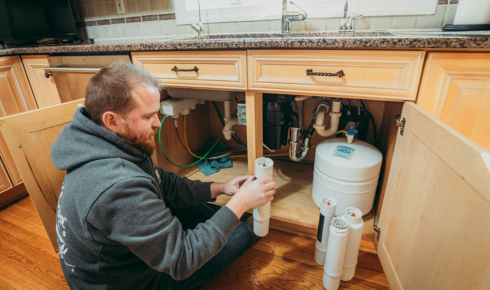
Over the past few years, there’s been a noticeable shift. People aren’t just reacting to water issues anymore—they’re planning ahead. They’re investing in drinking water systems that are designed to match their specific needs, not just generic expectations.
These systems aren’t as intimidating as they once were. Many are compact, efficient, and surprisingly easy to maintain. Some focus on taste, others on removing certain contaminants, and some aim to do a bit of everything.
What’s interesting is how quickly people notice the difference once a system is in place. It’s not always dramatic—it’s more like a quiet upgrade. Better-tasting water, smoother showers, fewer headaches about maintenance. Small wins, but meaningful ones.
When Expertise Makes a Difference
There’s a point where DIY research only takes you so far. You can read articles, compare options, watch videos—but at some stage, it helps to talk to someone who understands the details.
That’s where professional water treatment services come in. Not because you can’t figure things out on your own, but because they bring clarity to what can feel like a confusing process. They test, analyze, and recommend solutions based on actual data—not assumptions.
And honestly, that level of insight can save both time and money. Instead of trial and error, you get a clearer path forward.
The Subtle Payoff Over Time
What surprises most people isn’t the immediate improvement—it’s how those improvements quietly stack up. You stop noticing the odd taste because it’s gone. Your appliances run smoother. Even your daily routines feel a bit… easier.
It’s not flashy, and maybe that’s the point. Good water doesn’t demand attention. It just works, the way it’s supposed to.
And over time, that reliability becomes something you genuinely appreciate. Not in a dramatic way, but in those small, everyday moments—like filling a glass without hesitation or stepping into a shower that feels just right.
A Thought Worth Keeping
If there’s one thing to take away from all this, it’s simple: don’t wait for a major problem to start paying attention to your water. The signs are often quiet, but they’re there.
Ask questions. Notice changes. Take a closer look when something feels off. Because once you understand your water, you’re in a much better position to improve it.
And when you do, it’s not just about better water—it’s about a better experience of home itself. Subtle, steady, and quietly important in ways we often overlook.