Fall is a wonderful time to rethink your backyard in Austin. As temperatures become more comfortable, outdoor dining, evening gatherings, and quiet mornings on the patio become easier to enjoy. Adding a pergola can make these moments even better by creating a defined outdoor living area with shade, character, and a more finished appearance. Working with experienced pergola builders can help you choose a structure that suits your home, complements your landscape, and performs well in Central Texas weather.
Whether you have a small backyard in the city or a spacious property on the outskirts of Austin, the right pergola can turn an ordinary patio into a welcoming extension of your home. Here are some ideas to consider when planning an outdoor upgrade this fall.
What Pergola Styles Work Best for Austin Backyards?Modern Pergolas With Clean Lines
Modern pergolas are an excellent choice for homeowners who prefer a simple, contemporary look. Straight beams, understated posts, and neutral finishes create a clean appearance without overwhelming the rest of the backyard. Black metal, natural wood, and warm brown finishes can all complement Austin homes, depending on their architectural style.
A modern pergola works particularly well over a concrete patio with comfortable lounge furniture and a few carefully selected planters. Rather than filling the space with decorations, focus on proportions, quality materials, and a layout that leaves enough room to move around comfortably.
Natural Wood Pergolas for a Warm, Relaxed Feel
If you want your backyard to feel inviting and connected to nature, consider a wood pergola. Cedar and other suitable outdoor-rated woods offer natural texture that pairs beautifully with stone pathways, garden beds, and established trees.
A natural wood finish can suit traditional homes and properties with a more rustic Hill Country character. You can leave the wood in a natural-looking finish or choose a stain that coordinates with your home’s exterior. Keep in mind that wood requires periodic inspection and maintenance to help protect it from moisture, sun exposure, and weathering.
Fall is also a useful time to inspect existing outdoor structures and decide whether cleaning, refinishing, or repairs should be part of your backyard improvement plans.
Louvered Pergolas for Flexible Shade
A louvered pergola offers greater control over sunlight than a traditional open-beam structure. Its adjustable roof slats can be repositioned to allow more daylight or provide additional shade as conditions change. Depending on the system, the louvers may also close to offer some protection from rain.
This flexibility can be especially useful in Austin, where mild fall afternoons can still bring strong sunshine. Integrated lighting, outdoor-rated fans, and optional side screens can make the area more comfortable for dining or entertaining. Before choosing a system, review its drainage design, wind ratings, maintenance requirements, and installation specifications.
How Can You Make a Pergola More Comfortable This Fall?Create an Outdoor Dining Area
A pergola can provide a natural setting for outdoor meals with family and friends. Place a dining table beneath the structure, leaving enough clearance for chairs to slide back without obstructing walkways. If your backyard is compact, a smaller rectangular table can provide useful seating without taking over the patio.
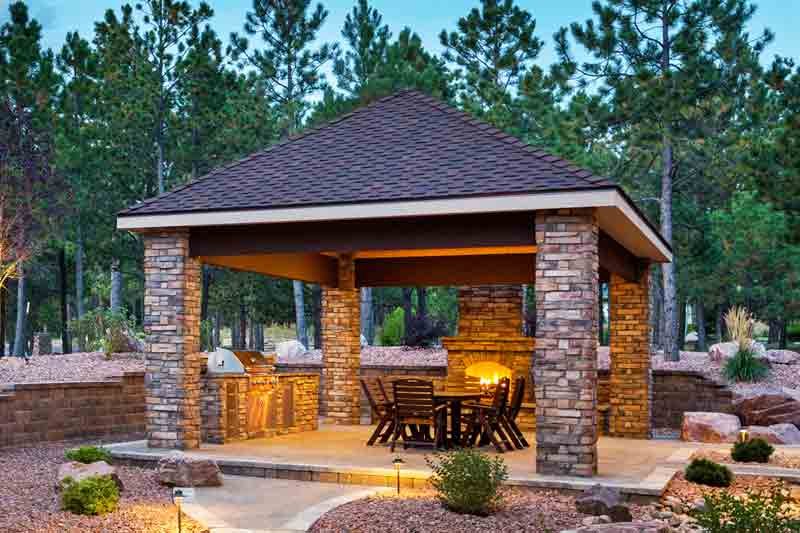
For larger properties, consider positioning the dining area near an outdoor kitchen or grill station. This arrangement reduces the distance between food preparation and serving areas while keeping the overall layout practical.
Lighting can make a noticeable difference once the evenings arrive earlier. Warm string lights or discreet, outdoor-rated fixtures can create a welcoming atmosphere without making the space feel too bright. Any permanent electrical installations should be handled by a qualified professional.
Add a Comfortable Lounge Space
If relaxing outdoors is more important than entertaining large groups, design your pergola around a seating area. Weather-resistant chairs, a compact outdoor sofa, and a low table can create a comfortable place to read, enjoy coffee, or spend time with guests.
Choose fabrics designed for outdoor use, and store cushions during heavy rain or extended periods of damp weather. A small outdoor rug can help define the seating area, provided it is suitable for exterior conditions and does not trap moisture against the patio surface.
For homeowners considering broader improvements, professional landscaping services austin texas can help bring the pergola, patio, planting beds, and surrounding pathways together in a coordinated design. Planning these elements as one project can also help address grading, drainage, and access before the finished space is installed.
Incorporate Native and Adapted Plants
Planting around a pergola can soften its structure and help it blend naturally into the backyard. Native and well-adapted Texas plants are worth considering because they can suit local growing conditions when matched to the correct soil, sunlight, and watering needs.
Ornamental grasses, suitable flowering perennials, and carefully selected shrubs can add texture and seasonal interest. Evergreen plants may provide year-round structure, while flowering varieties can bring color at different times of the year.
Climbing plants can also be attractive around a pergola, but choose species carefully and provide suitable supports. Some vigorous vines can become heavy, require frequent pruning, or damage certain materials. Avoid planting anything that could interfere with the structure, gutters, or nearby utilities.
Which Materials Should You Consider for a Fall Pergola Project?
Material selection affects a pergola’s appearance, maintenance needs, and long-term performance. Wood offers natural warmth and can be customized with different finishes. Powder-coated aluminum is often appealing to homeowners who want a contemporary appearance with relatively little routine maintenance. Steel can provide a strong, architectural look when properly designed and protected against corrosion.
The best option depends on your budget, desired appearance, exposure to the elements, and expectations for upkeep. In Central Texas, materials must withstand strong sunlight, temperature changes, and occasional severe weather. Ask about structural connections, foundation requirements, drainage, and the manufacturer’s maintenance guidance before making a final decision.
It is also worth considering how much shade you actually need. A traditional pergola generally filters sunlight rather than creating a fully enclosed roof. If your priority is dependable protection from rain, a covered patio or a pergola with a suitable roof system may be a better fit.
What Should Austin Homeowners Check Before Building?
Before construction begins, consider how the pergola will connect with the rest of your backyard. Check the available space, existing patio condition, drainage patterns, and access to doors and walkways. The structure should feel proportional to the house rather than appearing too large or cramped.
You should also confirm applicable local building requirements, property restrictions, and any homeowners association rules before work begins. Permit requirements can depend on the structure’s size, location, attachment to the house, and other project details, so check with the relevant local authority rather than assuming a pergola is automatically exempt.
Fall can be a convenient season to begin planning because comfortable working conditions may make outdoor projects easier to coordinate. However, schedules depend on contractor availability, material lead times, rainfall, and site conditions. Planning ahead is particularly helpful if the project includes a new patio, lighting, drainage work, or substantial planting.
A well-designed pergola should look attractive while supporting the way you actually use your backyard. By combining a suitable structure with thoughtful lighting, comfortable seating, and a balanced landscape, you can create an outdoor area that remains useful beyond the fall season.
Frequently Asked Questions1. Is fall a good time to build a pergola in Austin?
Yes, fall can be a practical time to plan and build a pergola because temperatures are often more comfortable than during the summer. However, weather conditions, contractor availability, and site preparation can affect the project timeline.
2. What is the best pergola material for Texas weather?
Aluminum, properly protected steel, and suitable outdoor-rated wood can all work well. The best choice depends on the desired style, maintenance expectations, structural requirements, and exposure to sun and moisture.
3. Does a pergola provide enough shade during an Austin fall?
A traditional pergola provides partial shade, with the amount depending on beam spacing, orientation, and the sun’s position. Adjustable louvers or compatible shade panels can provide greater control over sunlight.
4. Can I add lighting and a fan to my pergola?
Yes, many pergolas can accommodate outdoor-rated lighting and fans when properly designed for those additions. Electrical work, structural support, and weather protection should be evaluated before installation.
5. Do I need a permit to build a pergola in Austin?
Permit requirements vary according to the project and its location. Check current City of Austin or other applicable local requirements, along with any HOA restrictions, before construction begins.