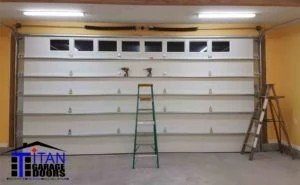
Driving through Lower Mainland neighborhoods, you cannot help but admire the sheer diversity of West Coast architecture. From charming character Craftsman homes in Vancouver to sleek contemporary custom builds in Burnaby and oceanfront estates in White Rock, every property tells its own visual story. Yet one architectural element often commands up to 30% of your front elevation: the garage door. Choosing the right door style isn’t just about picking a pretty color from a brochure. In the Pacific Northwest, your overhead door must balance refined aesthetics with serious structural resilience against persistent atmospheric moisture, driving rain, and ocean breezes. Selecting the ideal barrier requires a technician’s eye for hardware and a designer’s eye for architectural proportion.
Architectural Harmony: From Coastal Craftsman to West Coast Modern
Every successful exterior upgrade begins by listening to what your home’s existing architecture is already saying. A classic Craftsman or post-and-beam home built near the North Shore mountains naturally calls for carriage house designs featuring wrought-iron decorative hardware, cross-buck paneling, and warm wood-grain overlays. These traditional textures evoke historical charm while blending seamlessly with surrounding timber framing and exposed stone accents. Conversely, contemporary homes with flat rooflines and mixed-material cladding call for clean, horizontal lines that complement modern minimalism. When exploring modern garage door options, homeowners often find that full-view glass doors or sleek flush panels create a striking visual centerpiece without overwhelming the home’s subtle geometric proportions.
Defeating the Drizzle: Material Selection for Pacific Northwest Moisture
Living in the Fraser Valley and coastal areas means accepting that rain is a constant companion for several months of the year. Moisture is the ultimate test for exterior materials, so your choice of construction medium is critical to long-term durability. While real wood offers undeniable organic beauty, raw timber needs regular staining and sealing to prevent warping, rot, and mold growth from high humidity. High-density composite overlays bonded to heavy-gauge steel skin deliver the authentic appearance of natural cedar or mahogany without the heavy maintenance routine. For ultimate weather resistance, heavy-duty hot-dip galvanized steel and corrosion-resistant extruded aluminum panels provide robust structural defense against rust, ensuring your door retains its crisp structural integrity even after years of winter rainstorms.
The Thermal Barrier: Understanding R-Values and Polyurethane Cores
In our temperate maritime climate, heating costs can escalate quickly if your building envelope leaks conditioned air. An uninsulated single-layer garage door acts like a massive thermal drain, chilling attached living spaces, bonus rooms directly above the garage, and internal mechanical rooms. Upgrading to a triple-layer steel or aluminum sandwich door equipped with high-density polyurethane insulation creates an effective thermal break. Polyurethane is injected under pressure between the interior and exterior metal skins, expanding to fill every void and bonding the structural layers into a rigid, durable panel. High R-value insulation keeps your garage comfortable year-round, dampens street noise, and keeps damp coastal chill from seeping into your workshop or home gym.
Maximizing Natural Light with Custom Glass Lites and Anodized Frames
Lower Mainland winters are famous for gray skies and short daylight hours, making natural light a prized commodity inside any residential garage. Integrating custom glass lites or choosing full-view aluminum frames dramatically brightens indoor space, turning a dark storage bay into a welcoming, multi-purpose room. Technicians strongly recommend specifying double-pane insulated tempered glass to preserve thermal efficiency and prevent interior condensation fogging during chilly mornings. Frosted, satin-etched, or tinted glass options let generous daylight filter in while maintaining complete privacy for vehicles, tools, and personal belongings. Powder-coated or anodized aluminum framing finishes protect the exterior metal from salt-air exposure, preventing finish chalking and corrosion over decades of service.
Heavy-Duty Hardware and Weather Seals for Coastal Performance
Even the most beautiful panel style will fail prematurely if it relies on lightweight, subpar track hardware. Strong coastal winds and sudden weather fronts create significant lateral pressure on wide garage door spans, so use reinforced horizontal tracks, heavy 14-gauge galvanized steel hinges, and commercial-grade nylon rollers with sealed ball bearings. Proper bottom perimeter sealing is equally vital; a heavy-duty, cold-weather synthetic rubber astragal seal along the bottom retainer compresses snugly against uneven concrete, keeping driving rain, wind-blown debris, and lingering ground dampness outside. Pair this with flexible vinyl side and top jamb weatherstripping to create a tight perimeter seal that eliminates drafty gaps.
Elevating Your Lower Mainland Property with the Right Style
Choosing the right garage door means balancing architectural aesthetics, moisture-resistant materials, thermal efficiency, and high-performance hardware. Aligning your panel design with your home’s unique West Coast architecture—whether through classic carriage house details, textured wood-grain composites, or sleek modern glass panels—turns a basic entry point into an impressive architectural statement. Do not let worn, uninsulated panels compromise your property value or energy efficiency. Consult with experienced overhead door specialists today to explore custom panel styles, review high-R-value insulated models, and discover the perfect door assembly to elevate your home’s curb appeal and weather protection for years to come.