Clean Water Starts with Curiosity
Most of us don’t spend much time thinking about water. We turn on the faucet, fill a glass, start the washing machine, and move on with the day. It’s one of those everyday conveniences that quietly does its job in the background. But every now and then, something changes. Maybe your tea tastes a little different than usual, your shower leaves your skin feeling unusually dry, or your once-shiny fixtures begin collecting stubborn white spots.
Those small changes are easy to dismiss. Life gets busy, after all. Yet they often point to something happening inside your water supply that deserves a closer look.
The reality is that water quality isn’t always obvious. Some concerns are visible, while others stay hidden for years. Understanding what’s actually flowing through your pipes helps you make smarter decisions, protect your home, and enjoy greater confidence every single day.
Not Every Water Problem Announces Itself
When people think about contaminated water, they often imagine cloudy water or unpleasant odors. While those signs certainly matter, many water concerns aren’t visible at all.
Hard minerals, dissolved metals, chlorine, sediment, excessive iron, or naturally occurring compounds can exist without changing the appearance of your drinking water. Over time, these substances may affect plumbing systems, water heaters, dishwashers, coffee makers, and even the way soap performs during everyday cleaning.
Sometimes the first clue isn’t the water itself. It’s the shortened lifespan of an appliance or the stubborn mineral buildup around faucets.
That’s why relying only on taste or appearance rarely tells the full story.
Why Testing Makes More Sense Than Guessing
Homeowners often search online after noticing stains, unusual tastes, or scale buildup. Unfortunately, internet advice usually produces dozens of possible explanations, many of which don’t apply to a specific home.
Testing removes that uncertainty.
Instead of assuming every problem comes from hard water or chlorine, professionals examine the actual characteristics of your supply. That information provides a far clearer picture than any online checklist ever could.
A proper evaluation doesn’t simply identify problems—it helps prevent unnecessary spending on equipment that may not solve the issue.
A Comprehensive Analysis Reveals the Bigger Picture
One of the biggest advantages of a comprehensive analysis is that it examines multiple aspects of your water rather than focusing on just one measurement.
A professional evaluation may look at hardness levels, pH balance, dissolved solids, iron content, sediment, chlorine concentration, and several other important characteristics. Looking at all these factors together creates a much clearer understanding of how your water behaves inside your home.
Sometimes homeowners discover their water is already in excellent condition. Other times, the testing uncovers small issues before they become expensive repairs.
Either outcome is valuable because informed decisions are almost always better than educated guesses.
Small Changes Can Signal Bigger Concerns
Water naturally changes over time.
Heavy rainfall, drought conditions, seasonal groundwater movement, aging municipal infrastructure, nearby construction, or environmental factors can all influence water quality. Even neighborhoods connected to the same supply may experience subtle differences depending on plumbing materials and local distribution systems.
Because these changes usually happen gradually, many people don’t notice them immediately.
Instead, they adapt without realizing it. Maybe soap takes longer to rinse away, laundry feels rougher, or water pressure slowly declines because mineral deposits are accumulating inside pipes.
These gradual shifts often deserve more attention than dramatic ones.
Looking Beyond Obvious Water Issues or Contaminants
The phrase water issues or contaminants often makes people think exclusively about health concerns. While safety is certainly important, water quality affects much more than drinking water alone.
Mineral-heavy water can reduce appliance efficiency, increase energy consumption, leave residue on glassware, clog showerheads, and create additional household cleaning work. Even something as simple as high hardness levels can quietly increase maintenance costs throughout a home.
By identifying the actual source of these problems, homeowners gain the opportunity to solve them before they become routine frustrations.
It’s not always about fixing a crisis. More often, it’s about improving everyday comfort and protecting long-term investments.
Every Home Deserves Its Own Solution
One thing experienced water professionals quickly learn is that no two homes are exactly alike.
A family using municipal water in a suburban neighborhood has very different needs than someone relying on a private well in a rural area. Even neighboring houses may experience different mineral concentrations because of plumbing age, household consumption, or local infrastructure.
That’s why standardized treatment packages don’t always deliver the best results.
The most effective systems begin with accurate information, followed by recommendations designed specifically for that property’s unique conditions.
Good Advice Comes from Personalized Recommendations
Once testing is complete, the next step should never involve selling unnecessary equipment. Instead, homeowners benefit most from personalized recommendations based on their actual water conditions and household usage.
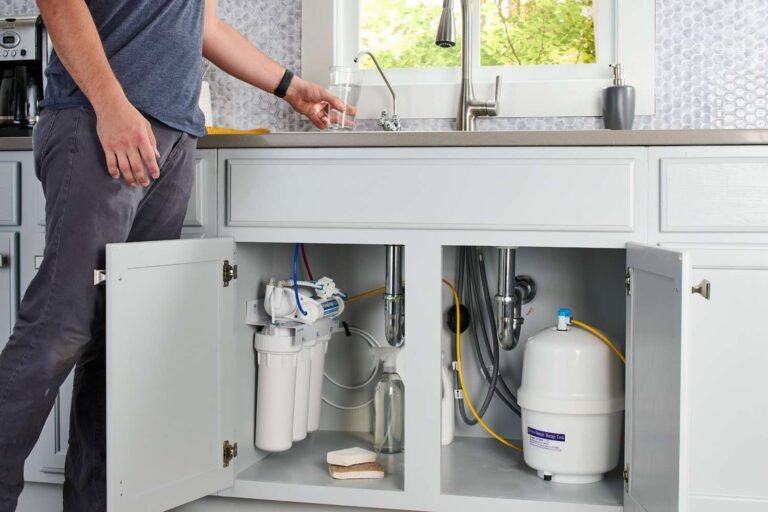
Some homes may only need a simple carbon filter to improve taste and odor. Others benefit from water softeners that reduce mineral buildup. Properties with well water might require UV purification, sediment filtration, iron removal, or reverse osmosis systems depending on the results.
The important thing is matching the solution to the problem instead of assuming every household requires the same setup.
That approach usually delivers better performance while avoiding unnecessary costs.
Prevention Is Usually Less Expensive Than Repairs
Many water-related problems develop so gradually that homeowners barely notice them until something breaks.
Water heaters become less efficient. Washing machines require additional maintenance. Pipes slowly accumulate mineral deposits. Coffee makers stop performing like they once did.
Replacing appliances is expensive.
Preventing premature wear through proper water treatment is often far more affordable over the long run. Even relatively small improvements in water quality can help appliances operate more efficiently while extending their usable lifespan.
It’s one of those investments that quietly pays for itself over time.
Better Water Improves Everyday Living
Good water rarely gets compliments because it’s expected. It simply works.
Your morning coffee tastes cleaner. Laundry feels softer. Showers become more comfortable. Glasses come out sparkling instead of spotted, and household appliances continue operating without unnecessary strain.
None of these improvements seem dramatic on their own, yet together they noticeably enhance daily life.
That’s the real value of understanding your water. It’s not about chasing perfection or installing the most expensive equipment available. It’s about making thoughtful, informed choices based on accurate information.
When you know what’s in your water, you’re no longer guessing. You’re making decisions with confidence—protecting your home, improving your family’s comfort, and creating a water system that continues serving you reliably for years to come.