As late-summer humidity fades and crisp autumn breezes settle in, homeowners naturally pivot toward seasonal home maintenance. While checking roof shingles and clearing rain gutters often top the annual checklist, your HVAC system deserves equal priority. Performing thorough fall air duct preparation ensures your heating unit runs efficiently, maintains optimal indoor air quality, and keeps energy bills manageable all season long.
Find Ducts All Done in Tampa here: https://g.co/kgs/JF9BcBc
Over summer, air conditioning units run constantly, pulling dust, pollen, mold spores, and pet dander into ductwork. When autumn arrives and you switch to heating, these trapped contaminants circulate directly through living spaces. Proper seasonal prep prevents dust flare-ups, protects mechanical components, and keeps your family breathing clean, healthy air as doors and windows stay closed for winter.
Why Fall Air Duct Preparation Matters for Your Home
Autumn acts as the vital transition period between cooling and heating seasons. Preparing ductwork before turning on the furnace provides immediate operational and financial benefits.
1. Improved Indoor Air Quality (IAQ)
During summer, high humidity creates ideal conditions for dust mites and fungal spores inside dark duct pathways. Turning on a furnace without prior cleaning forces accumulated allergens through vents, triggering respiratory issues and seasonal allergies.
2. Enhanced HVAC Energy Efficiency
Clogged air pathways restrict airflow, forcing heating systems to work harder and run longer. According to energy experts, clearing duct obstructions reduces heating energy consumption by up to 15%, significantly lowering monthly utility costs.
3. Extended Equipment Lifespan
Dust and debris that settle on blower motors or heat exchangers cause mechanical strain and premature component failure. Routine inspection keeps dust away from critical machinery, preventing expensive middle-of-winter breakdowns.
Step-by-Step Checklist for Fall Air Duct Preparation
A systematic approach ensures no part of your ventilation system gets overlooked. Follow this comprehensive step-by-step checklist to prepare your home for the cooler months ahead.
1.Inspect and Replace Air Filters: Do this first to prevent instant system re-contamination.
Remove summer filters and check for heavy dust buildup. Install high-efficiency MERV-rated filters suitable for your HVAC model to trap microscopic winter allergens effectively.
2.Clean All Supply and Return Registers: Removes surface dust before it enters ductwork.
Unscrew wall and floor grilles. Wash them thoroughly with warm, soapy water to clear accumulated grime, lint, and cobwebs before drying and reinstalling them.
3.Expose and Clear Unobstructed Vents: Improves circulation across all rooms.
Ensure furniture, rugs, or heavy drapes do not block supply or return vents. Unobstructed airflow maintains balanced pressure throughout your entire home.
4.Inspect Ductwork for Visible Leaks or Gaps: Focus on unconditioned spaces like attics and basements.
Check accessible duct sections in basements, attics, and crawlspaces. Look for loose joints, disconnected sections, or damaged insulation causing warm air leakage.
5.Schedule Professional Duct Cleaning: Recommended every 3 to 5 years.
Hire certified technicians to perform high-powered negative pressure vacuuming and sanitizing to eliminate deep mold spores, dander, and stubborn debris.
Key Signs Your Ducts Need Immediate Attention
Not every system requires full professional restoration every single autumn. However, clear warning signs indicate your ductwork needs immediate attention before temperatures plummet:
- Visible Dust Clouds: Puffs of dust blowing from supply registers when the fan starts.
- Unexplained Spike in Utility Bills: High heating costs despite normal thermostat settings.
- Persistent Musty Odors: Stale or burning smells circulating through rooms when heating turns on.
- Uneven Room Temperatures: Certain rooms remaining cold while others overheat rapidly.
- Excessive Dusting Needs: Furniture gathering noticeable dust layers within days of cleaning.
DIY Maintenance vs. Professional Air Duct Services
While basic upkeep, such as changing filters and vacuuming vent covers—is easily handled by homeowners, comprehensive duct sanitization requires specialized equipment.
| Maintenance Task | DIY Approach | Professional Service |
| Filter Replacement | Easy (Monthly checks) | Included in full-service maintenance |
| Register Cleaning | Easy (Washable grilles) | Thorough deep cleaning |
| Interior Duct Vacuuming | Limited (Reaches 3–6 feet) | Full system (Negative-pressure machinery) |
| Leak Sealing | Minor tape fixes | Mastic sealing & Aeroseal treatments |
| Mold & Sanitization | Not recommended | EPA-registered microbial treatments |
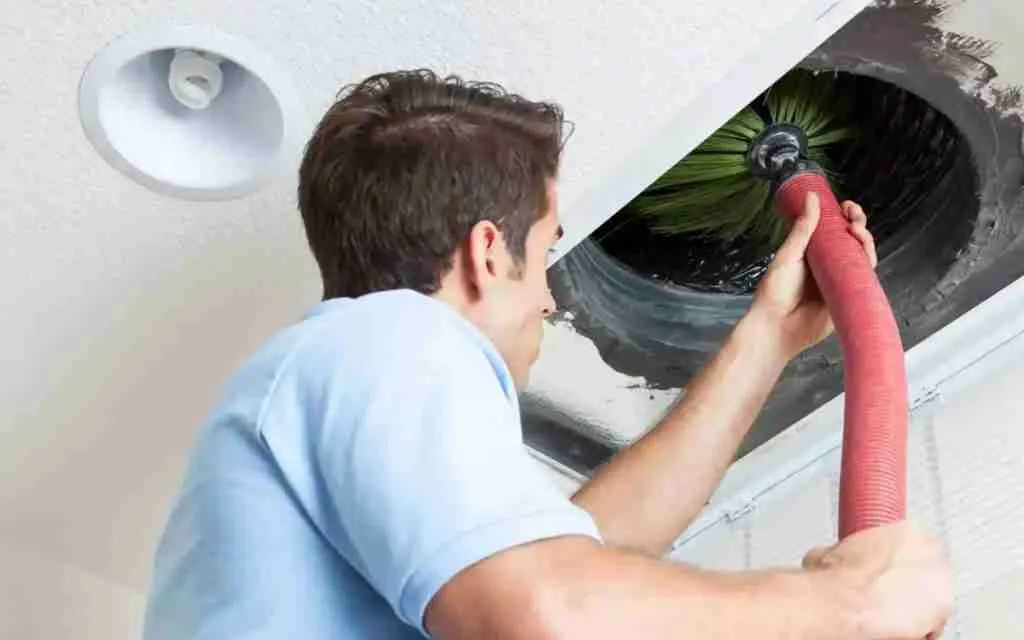
Professional technicians utilize rotary brush systems, compressed air whips, and HEPA-filtered vacuum units to clean deep inside duct branches without releasing contaminants back into living spaces.
Additional Fall Home Comfort Recommendations
To maximize comfort, combine fall air duct preparation with broader seasonal home maintenance strategies:
- Reverse Ceiling Fans: Set blades to rotate clockwise at low speeds to push rising warm air back down into living areas.
- Check Chimney & Dryer Vents: Lint buildup in dryer ducts and soot in chimneys create severe fire hazards during heavy winter usage.
- Test Carbon Monoxide Detectors: Ensure safety devices function properly before starting gas or oil furnaces for the first time.
- Seal Window and Door Drafts: Apply weatherstripping to prevent cold drafts from forcing your newly optimized HVAC system to overwork.
Summary & Key TakeawaysAutumn Air Duct Checklist Summary
- Swap Filters First: Replace old summer filters with fresh MERV-rated replacements.
- Clear the Way: Remove obstacles around registers to ensure balanced airflow across all rooms.
- Inspect for Leaks: Seal disconnected joints in unconditioned areas like attics or basements.
- Hire Certified Experts: Professional cleaning every few years protects equipment and indoor air quality.
Proactive seasonal maintenance eliminates indoor air pollution, reduces energy bills, and protects your home heating investment. Preparing your ventilation system early guarantees warm, comfortable, and healthy indoor air for your household all autumn and winter long.