Water is one of those things most of us barely think about until something feels off. Maybe your coffee suddenly tastes strange, your shower leaves your skin feeling dry, or your glasses come out of the dishwasher covered in cloudy spots. Little signs like these often get brushed aside, but they can tell a much bigger story about the water flowing through your home every single day.
The truth is, water quality isn’t the same everywhere. Even homes in the same neighborhood can experience different issues depending on aging pipes, local water sources, seasonal changes, or private well systems. That’s why improving water isn’t about buying the most expensive filter you can find. It’s about understanding what your water actually needs.
Water Problems Aren’t Always Easy to Notice
People often assume contaminated water has a bad smell or an obvious color. Sometimes it does. More often, though, the issues are subtle.
Hard water slowly builds mineral deposits inside plumbing. Chlorine might make drinking water taste unpleasant. Sediment can wear down appliances over time, while invisible contaminants may affect both health and comfort without announcing themselves.
I’ve spoken with homeowners who spent years replacing showerheads, faucets, and coffee makers without realizing the water itself was causing most of the damage. Once they addressed the source of the problem, many of those recurring frustrations disappeared almost overnight.
It’s a reminder that solving the right problem is usually cheaper than constantly fixing the symptoms.
Looking Beyond the Kitchen Sink
Many families focus only on drinking water, and that’s understandable. But think about how often water touches your life outside the kitchen.
You shower in it every morning. Your washing machine uses it for every load of laundry. Your dishwasher depends on it. Even your water heater feels the impact every single day.
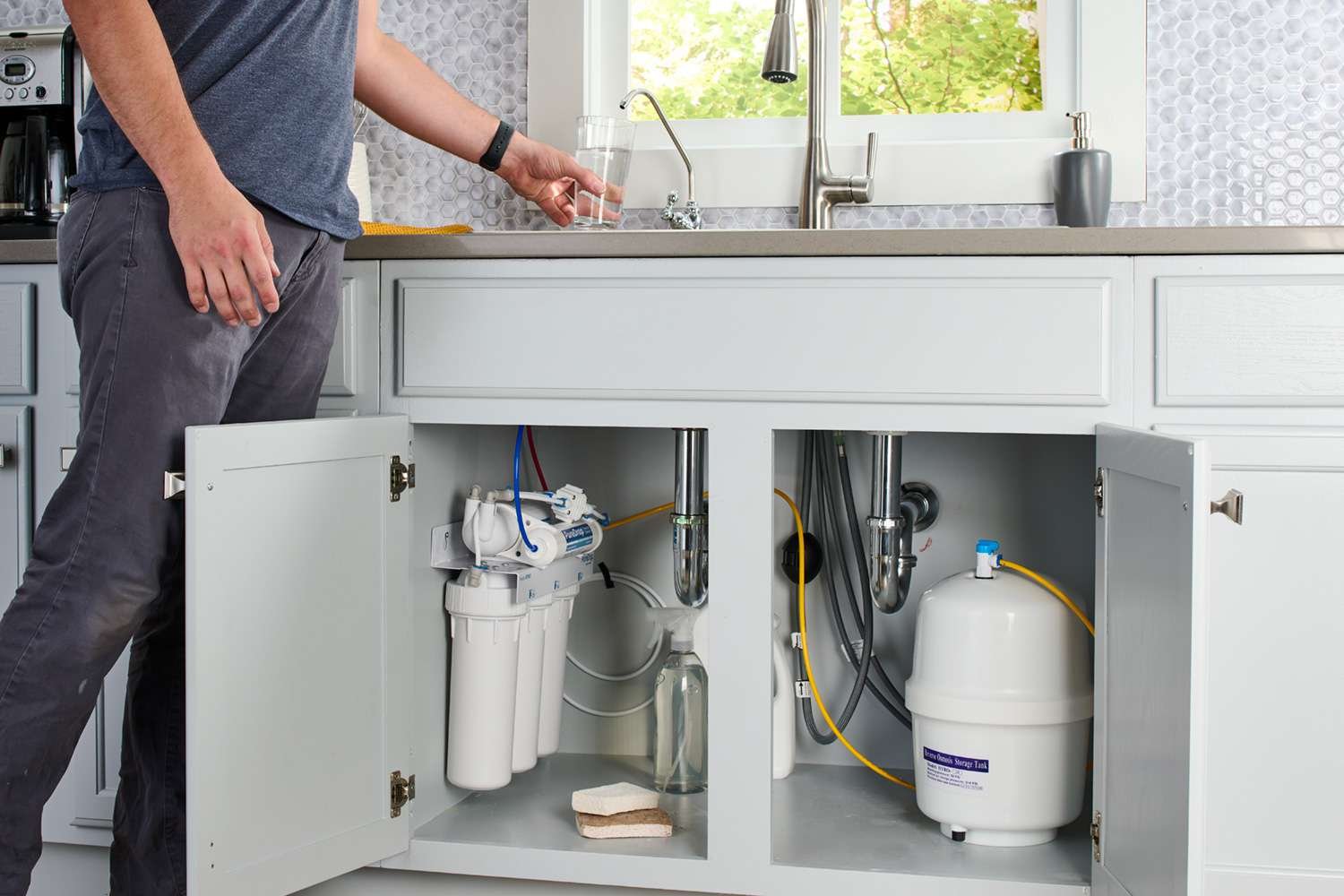
That’s one reason many homeowners eventually consider whole home filtration instead of relying on a single faucet filter. Rather than treating water at one point of use, this approach improves water quality throughout the house, helping protect plumbing fixtures, household appliances, clothing, and even your skin from unnecessary exposure to common water issues.
It isn’t always necessary for every home, but for families dealing with widespread water concerns, it often provides a more complete solution.
Every Water Source Tells a Different Story
Municipal water systems go through extensive treatment before reaching homes, but that doesn’t guarantee every household experiences identical water quality.
Water travels through miles of underground infrastructure before arriving at your tap. Along the way, pipe materials, local maintenance work, sediment buildup, and seasonal changes can all influence what finally reaches your glass.
Private well owners face a different challenge altogether. Their water may contain naturally occurring minerals, bacteria, iron, sulfur, or other contaminants depending on local geology.
That’s why copying your neighbor’s filtration setup isn’t always the smartest move. Two houses just a few streets apart may require completely different treatment methods.
Testing Before Buying Makes More Sense
It’s surprisingly common for homeowners to purchase expensive filtration equipment based solely on advertisements or online reviews.
The problem? Those systems might solve issues you don’t even have while completely ignoring the contaminants you do.
Starting with free water testing allows homeowners to understand what’s actually present before making a financial commitment. Instead of guessing, you’re making decisions based on measurable information.
That simple step often prevents unnecessary spending while ensuring the treatment system matches the water conditions rather than the marketing brochure.
In many cases, the results are reassuring. In others, they highlight concerns that deserve attention sooner rather than later.
Water Quality Impacts More Than Drinking
People naturally think about health when discussing water, but comfort and household maintenance deserve attention too.
Hard water leaves soap residue behind, making bathrooms harder to clean. Mineral buildup reduces appliance efficiency. Laundry may fade faster, and dishes can develop stubborn spots no matter how much rinse aid you use.
These aren’t dramatic emergencies, yet they quietly add up over the years through higher maintenance costs, reduced appliance lifespan, and everyday frustration.
Good water doesn’t just taste better—it often makes ordinary routines feel noticeably easier.
Businesses Face Even Higher Expectations
Homes aren’t the only places where water quality matters.
Restaurants depend on clean water for cooking and beverages. Healthcare facilities require consistent water standards. Hotels want guests to enjoy pleasant showers and spotless linens. Manufacturing operations often rely on carefully controlled water quality during production.
That’s why many organizations invest in commercial water treatment services tailored to their specific operational needs. A restaurant’s priorities differ from those of a medical clinic, and an industrial facility has entirely different requirements again.
Customized treatment helps businesses improve efficiency, protect expensive equipment, meet industry regulations, and deliver better experiences for customers and employees alike.
Technology Has Improved More Than Many Realize
Modern water treatment systems have become smarter, quieter, and more efficient than older generations.
Today’s equipment often requires less maintenance while providing better monitoring and longer-lasting filtration media. Some systems even notify homeowners when filters need replacement instead of relying on rough estimates.
That doesn’t mean every home needs the newest technology available. In fact, the best solution is usually the simplest one that effectively addresses the specific water concerns identified through testing.
Bigger isn’t automatically better. Smarter is.
A Small Change That Touches Everyday Life
Water quietly shapes almost every part of daily living. We cook with it, clean with it, shower in it, and rely on it without giving much thought to what’s actually coming out of the tap.
Improving water quality isn’t really about chasing perfection. It’s about making informed decisions that support healthier living, protect your home, and reduce everyday inconveniences over time.
Whether your concern is unusual taste, hard water stains, aging plumbing, or simply wanting greater confidence in what your family drinks each day, understanding your water is always the best place to begin.
Because once you know what’s in your water, finding the right solution becomes a whole lot easier—and that’s a decision your home will appreciate for years to come.