You don’t usually think about water until something feels off. Maybe it’s the faint aftertaste in your tea, or the way your skin feels a bit tighter after a shower. Nothing dramatic, nothing urgent—just small signs that something isn’t quite right.
And yet, water is one of those everyday things that quietly shapes how we live. It touches everything—what we drink, cook, wash, and even how our homes age over time. So when people start paying closer attention to it, it’s not out of fear. It’s more like curiosity turning into intention.
The Moment You Start Noticing
It often begins with a question. “Has the water always tasted like this?” Or maybe someone mentions installing a filter, and suddenly you’re thinking about it more than you expected.
Truth is, most water is treated well enough to meet safety standards. But “safe” doesn’t always mean ideal. There can still be dissolved solids, chemicals, or minerals that affect taste, smell, or how water behaves in your home.
That’s where solutions start to feel less like a luxury and more like a practical step forward.
A Closer Look at What’s Flowing Through
Water isn’t just H₂O by the time it reaches your tap. It’s a mix—sometimes harmless, sometimes just inconvenient. Minerals like calcium and magnesium, traces of chlorine, even tiny particles from aging pipes.
For some households, this isn’t noticeable. For others, it becomes part of daily life in subtle ways—like dishes that never seem completely spotless or laundry that feels slightly rough no matter how much detergent you use.
Fixing that doesn’t require guesswork. It just requires understanding your water a little better.
When Precision Matters More Than Power
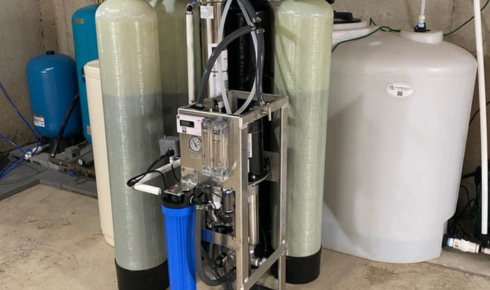
Some homeowners want a targeted solution—something that focuses specifically on drinking water. That’s where reverse osmosis systems often come into the conversation.
They’re designed to remove a wide range of impurities at a very fine level, producing water that’s noticeably cleaner and, in many cases, better tasting. It’s not about stripping water down to nothing; it’s about refining it to a point where you feel confident using it for the most personal things—like making coffee, cooking meals, or filling a glass without second-guessing.
And for many people, that small change makes a surprisingly big difference.
Thinking Beyond the Kitchen Sink
But water quality isn’t just about what you drink. It’s in your showers, your washing machine, your dishwasher—everywhere.
That’s why some people shift their focus from single-point solutions to broader systems like whole home filtration. Instead of treating water at one faucet, these setups work at the entry point, meaning every tap in your house benefits from cleaner water.
It’s a different approach. Less about precision in one place, more about consistency everywhere.
You might not notice it instantly, but over time, the difference shows up—in softer fabrics, cleaner surfaces, even the way your home feels to live in.
The Role of Balance in Water Quality
Then there’s the issue of balance. Not all water problems come from contaminants. Sometimes, it’s the mineral content that needs adjusting rather than removing entirely.
That’s where water conditioning comes in. It doesn’t always “filter” water in the traditional sense, but it changes how minerals behave, reducing scale buildup and making water gentler on pipes, appliances, and skin.
It’s a quieter solution, less obvious at first glance, but incredibly practical. Especially in areas where hard water is common, it can extend the life of everything from your water heater to your coffee maker.
Small Changes, Long-Term Impact
One thing people often underestimate is how much water affects the background of daily life. It’s not always visible, but it’s constant.
Better water can mean fewer repairs, less buildup, and a more comfortable living environment. It’s not about chasing perfection—it’s about removing friction from everyday routines.
And honestly, once those little annoyances disappear, you start wondering why you didn’t address them sooner.
Making the Decision Without Overthinking It
It’s easy to get overwhelmed when you start researching water solutions. There are options, technologies, opinions—sometimes too many.
But it doesn’t have to be complicated. Start simple. Understand your water. Decide what matters most—taste, appliance longevity, skin comfort—and go from there.
There’s no universal “best” system. Just the one that fits your home, your habits, and your expectations.
Final Thoughts: A Subtle Shift That Changes Everything
Water is easy to ignore because it’s always been there. Reliable, consistent, familiar. But that doesn’t mean it can’t be improved.
Upgrading your water isn’t about reacting to a problem. It’s about noticing the details and deciding they matter.
And maybe that’s the real takeaway—sometimes the most meaningful improvements in a home aren’t the ones you show off. They’re the ones you feel, quietly, every single day.