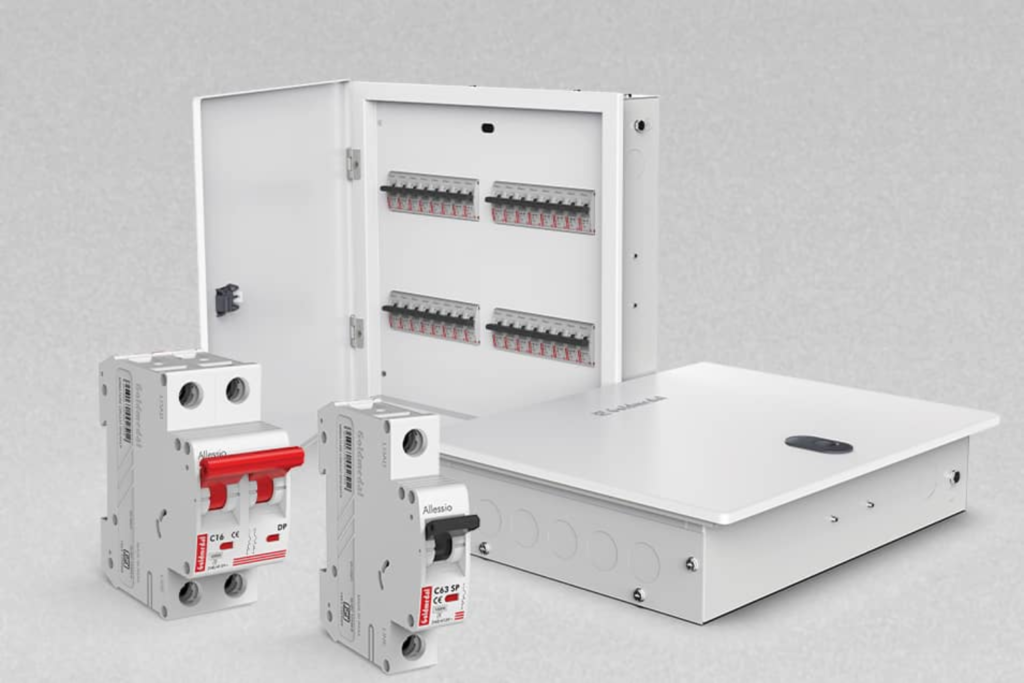
When we think about electrical systems in homes or commercial spaces, switches and distribution boards are often taken for granted. Yet, these components form the backbone of a safe, organized, and efficient power network. From controlling everyday lighting to managing power distribution across circuits, choosing the right electrical switches and distribution boards plays a vital role in both safety and convenience.
As modern buildings demand higher electrical loads and better protection, the importance of quality switchgear has never been greater.
The Role of Switches in Everyday Electrical Use
Switches are the most frequently used electrical components in any space. They allow users to control lighting, fans, and appliances effortlessly while ensuring safe current flow.
Modern electrical switches are designed not just for function but also for durability and ease of use. High-quality switches offer:
- Smooth and reliable operation
- Strong insulation and safety
- Long service life
- Compatibility with modern wiring systems
In residential settings, switches must withstand daily use, while in commercial environments, they must handle continuous operation without performance issues.
Why Switch Quality Matters
Low-grade switches can lead to loose connections, overheating, or frequent failures. Over time, this increases maintenance costs and safety risks. Using switches from trusted manufacturers ensures compliance with electrical standards and consistent performance.
Today’s consumers and professionals prefer switches that combine safety, durability, and ergonomic design, making them suitable for modern interiors and demanding applications.
Understanding Distribution Boards
A distribution board (DB) is the central point where electrical power is distributed to different circuits within a building. It houses essential protection devices such as MCBs, RCCBs, and isolators, ensuring that electricity is delivered safely and efficiently.
A well-designed distribution board:
- Prevents overloads and short circuits
- Allows easy fault isolation
- Improves electrical safety
- Keeps wiring organized and manageable
Distribution boards are critical in both residential and commercial electrical installations.
Types of Distribution Boards
Depending on the application, distribution boards may vary in size and configuration.
Residential Distribution Boards
Used in homes and apartments, these boards manage lighting, socket outlets, and appliance circuits while offering protection against overloads and leakage.
Commercial and Industrial Distribution Boards
Designed for higher loads and multiple circuits, these boards support complex electrical systems in offices, factories, and infrastructure projects.
Regardless of the type, quality materials and precise engineering are essential for long-term performance.
Integration of Switches and Distribution Boards
Switches and distribution boards work together to ensure smooth electrical operation. While switches provide user-level control, distribution boards manage and protect the entire system behind the scenes.
When both components are well-matched and correctly installed, they:
- Enhance system reliability
- Reduce downtime during faults
- Improve safety for users and equipment
This makes it crucial to choose compatible and reliable switchgear solutions.
Choosing the Right Electrical Components
When selecting switches and distribution boards, consider:
- Load requirements
- Usage frequency
- Safety standards and certifications
- Brand reliability and product quality
Cutting corners on electrical components can lead to long-term risks and higher costs.
Conclusion
Switches and distribution boards may not always be visible, but they are essential to the safety and efficiency of any electrical installation. Investing in high-quality components ensures reliable performance, better protection, and long-term peace of mind.
By choosing trusted electrical solutions from reputable manufacturers, you build systems that are not only functional today but also ready for future demands.