Bowing basement walls are one of the clearest warning signs that a home’s foundation is under pressure. A wall that curves, leans, or pushes inward should never be ignored. While the movement may seem small at first, it can worsen over time and create serious structural concerns.
For many homeowners, bowing walls are alarming because they suggest something is happening outside the basement wall or within the foundation system. Understanding the causes can help homeowners act early and avoid more costly repairs later.
In Pennsylvania, bowing basement walls are often connected to moisture, soil pressure, poor drainage, freeze-thaw cycles, and older foundation materials.
What Does a Bowing Basement Wall Look Like?
A bowing basement wall may appear curved, pushed inward, or slightly leaning. The movement is often most noticeable near the middle of the wall.
Signs may include:
- Horizontal cracks
- Stair-step cracks
- Walls pushing inward
- Gaps near corners
- Water seepage
- Cracked mortar joints
- Uneven basement wall surfaces
- Doors or windows above the wall sticking
A bowing wall may start subtly, but it should be inspected as soon as movement is noticed.
Main Cause: Soil Pressure
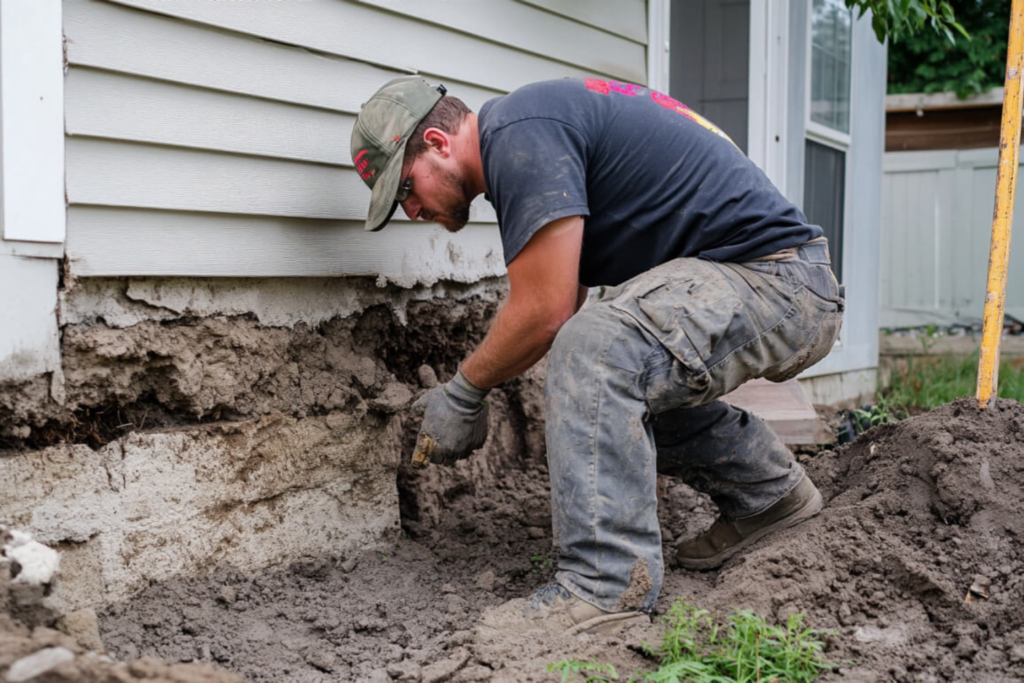
The most common cause of bowing basement walls is pressure from the soil outside the foundation. When soil becomes saturated with water, it becomes heavier and expands. That pressure pushes against the basement wall.
Over time, the wall may begin to crack, bend, or move inward.
This pressure is known as lateral earth pressure. If drainage around the home is poor, the pressure can become stronger after heavy rain or snowmelt.
Hydrostatic Pressure and Water Buildup
Hydrostatic pressure happens when water builds up in the soil around the foundation. Instead of draining away, the water presses against basement walls.
This pressure can force water through cracks and joints. It can also contribute to wall movement.
Signs of hydrostatic pressure include:
- Water seepage
- Damp basement walls
- White powdery residue
- Horizontal cracks
- Water at the floor-wall joint
- Musty odors
Waterproofing and drainage improvements are often important when repairing bowing walls.
Poor Drainage Around the Home
Poor drainage is one of the biggest contributors to foundation wall pressure. If gutters overflow, downspouts discharge too close to the home, or the yard slopes toward the foundation, water collects near basement walls.
Over time, this water increases soil pressure and can lead to bowing.
Homeowners should check:
- Gutter condition
- Downspout length
- Soil grading
- Surface water pooling
- Landscaping near the foundation
- Basement window well drainage
Drainage improvements can help reduce future pressure.
Freeze-Thaw Cycles
Pennsylvania homes experience freeze-thaw cycles during colder months. Water in the soil freezes, expands, thaws, and moves again. This repeated expansion and contraction can place stress on foundation walls.
If walls already have cracks or drainage problems, freeze-thaw movement can make damage worse.
Expansive or Poorly Compacted Soil
Some soils expand when wet and shrink when dry. This movement can stress basement walls over time. Poorly compacted soil around a foundation can also settle unevenly, affecting pressure and support.
Soil conditions vary by property, which is why foundation repair should be based on a detailed inspection.
Older Foundation Materials
Older homes may have block, brick, stone, or masonry foundations that have weakened over time. Mortar can deteriorate, blocks can shift, and water can enter through joints.
In older foundations, bowing may be caused by a combination of age, moisture, and soil pressure.
Why Bowing Walls Should Not Be Ignored
A bowing basement wall is not just cosmetic. It can indicate structural stress. If movement continues, the wall may crack further, leak more often, or lose strength.
Ignoring bowing walls can lead to:
- Larger cracks
- More water intrusion
- Structural instability
- Costlier repairs
- Reduced home value
- Safety concerns
The earlier the wall is inspected, the more repair options may be available.
Common Repair Approaches
The right repair depends on the severity of movement, wall type, drainage conditions, and structural needs.
Solutions may include:
- Wall reinforcement
- Wall anchors
- Carbon fiber straps
- Steel supports
- Crack repair
- Drainage improvements
- Basement waterproofing
- Exterior grading corrections
A professional contractor can recommend the best method after inspection.
Waterproofing and Wall Stabilization Often Work Together
If water pressure caused the wall to bow, stabilizing the wall without addressing moisture may not be enough. Water may continue pressing against the foundation.
That is why bowing wall repair is often paired with waterproofing or drainage improvements. Reducing water pressure helps protect the repair.
Warning Signs to Act On Quickly
Homeowners should schedule an inspection if they notice:
- Horizontal wall cracks
- Walls curving inward
- Water leaking through cracks
- Stair-step cracks
- Widening cracks
- Basement wall separation
- Uneven floors above the basement
These signs may indicate active foundation movement.
Final Thoughts
Bowing basement walls are usually caused by pressure from soil, water, drainage problems, freeze-thaw cycles, or aging materials. While the issue may start small, it can become serious if ignored.
A professional foundation inspection can identify the cause, measure the severity, and recommend the right repair plan. Acting early helps protect the home’s structure, value, and safety.