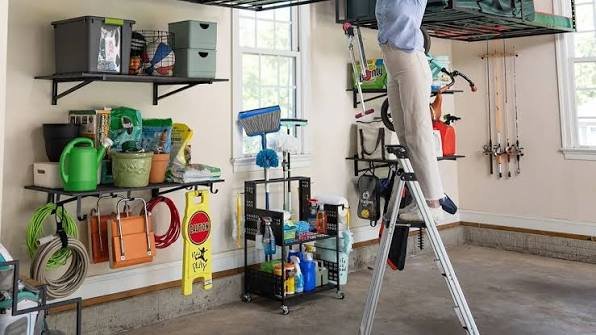
A well-organized garage should make everyday tasks easier, not force you to move boxes just to reach a tool or squeeze around stored equipment. Superior Garage Flooring can be part of that bigger picture, because a durable floor creates a clean foundation for a more functional space.
The right garage storage racks can then take clutter off the floor, create useful zones, and make frequently used items easier to reach.
Why Garage Storage Racks Matter
Garage storage is often treated as a simple shelving problem. In reality, the way items are stored affects how safely and efficiently the entire garage works. A floor crowded with bins, seasonal decorations, sports equipment, tools, and household supplies can reduce usable space and create unnecessary obstacles.
Garage storage racks make better use of vertical space. Instead of spreading belongings across the floor, homeowners can store appropriate items upward while keeping walking paths and vehicle areas clearer.
This approach is especially useful in garages that serve several purposes. A single space may function as parking, a workshop, a home gym, a hobby area, or a place to store outdoor equipment. Storage should support those activities rather than compete with them.
Start With a Garage Storage Inventory
Before buying racks, identify what actually needs to be stored. Guessing can lead to shelves that are too shallow, too weak, or poorly suited to the items they hold.
Group belongings into practical categories such as:
- Automotive supplies and detailing products
- Hand tools and power tools
- Lawn and garden equipment
- Sports and recreation gear
- Holiday decorations
- Household overflow
- Camping and outdoor equipment
Next, separate frequently used items from things accessed only occasionally. This distinction can determine where each category belongs.
Everyday tools should remain within comfortable reach. Seasonal decorations can occupy higher or less convenient storage locations. Heavy items should generally stay lower, where lifting and handling them is easier.
Choose Racks Based on Weight and Use
Not every garage shelving unit is built for the same job. One of the most important considerations is load capacity. A rack intended for lightweight plastic bins may not be suitable for automotive parts, power tools, or dense storage containers.
Check the manufacturer’s stated weight rating and consider how the load will be distributed across each shelf. Do not assume that a large rack automatically provides greater capacity.
Material also matters. Steel garage shelving is often chosen for demanding storage because of its strength and durability. Other materials may work well for lighter household items. The best choice depends on the weight, environment, and frequency of use.
Rack dimensions deserve equal attention. Measure available wall space, ceiling height, door clearance, and the depth of the storage area before purchasing anything. A rack that technically fits may still interfere with vehicles, doors, workbenches, or walkways.
Create Zones Around How You Use the Garage
A garage becomes easier to maintain when storage has a purpose. Instead of placing items wherever space happens to be available, create zones based on activities.
For example, automotive supplies can stay near the vehicle parking area. Garden tools can be grouped near an exterior access door. Workshop supplies can remain close to a workbench, while seasonal decorations can occupy higher shelves.
This zoning system reduces unnecessary movement. It also makes it easier for everyone in the household to know where items belong after use.
Think of the garage as a series of work areas rather than one large storage room. Good organization is not only about fitting more belongings into the space. It is about making the right items accessible without creating congestion.
Use Garage Racks Without Losing Floor Space
One advantage of garage storage racks is their ability to move storage upward. However, vertical storage should still leave sufficient room for safe movement and activities.
Keep pathways clear and avoid placing rack corners where they create hazards. If vehicles are parked inside the garage, account for door swing, walking clearance, and the space needed to load or unload items.
Wall-mounted systems can be useful when floor space is especially limited. Freestanding racks can offer flexibility and capacity, but they should be positioned carefully and secured when required by the manufacturer.
Ceiling storage can also help with lightweight or infrequently accessed belongings, provided the system is designed for that purpose and installed correctly. Heavy objects should not be placed overhead simply because there is unused space above.
Pair Storage With a Durable Garage Floor
Storage and flooring should be considered together. A garage floor has to handle foot traffic, vehicles, dropped tools, dirt, spills, and routine cleaning. When the floor is easy to maintain, organizing the space becomes more practical.
Professional garage floor coatings can provide a seamless surface designed for demanding garage conditions. Epoxy and polyaspartic systems are commonly used for garage flooring, with each offering different performance characteristics.
A coated floor can also make the garage feel more intentional. Instead of treating flooring as a finishing detail, consider it part of the overall storage and workspace plan.
The key is to complete flooring decisions before installing permanent storage when possible. Planning the layout first can help determine where racks, cabinets, workbenches, and other fixtures should go.
Keep Frequently Used Items Accessible
A storage system only works when people can use it easily. If every tool requires moving three containers first, the garage will gradually return to clutter.
Place high-use items between about waist and shoulder height when practical. Reserve upper shelves for lightweight or less frequently used belongings.
Use clear, labeled containers for small parts and seasonal items. Consistent container sizes can make shelves easier to arrange and allow available space to be used more efficiently.
For tools, consider dedicated hooks, pegboards, or drawer storage alongside garage shelving. Racks are excellent for boxes and larger containers, but not every object belongs on an open shelf.
Maintain the System With Habits
Even the best garage organization ideas require maintenance. Set a rule that every item returns to its designated zone after use.
Review stored belongings periodically. If something has not been used for years, ask whether it still deserves valuable storage space.
Inspect racks from time to time. Look for loose fasteners, damaged shelves, overloaded sections, or signs of instability. Follow the manufacturer’s maintenance and load guidance, and replace damaged components rather than continuing to use them.
A five-minute reset after a project can prevent hours of reorganizing later.
Build a Garage That Works Harder
The best garage storage racks do more than hold boxes. They help establish a system for tools, supplies, equipment, and seasonal belongings while preserving valuable floor space.
Start by taking inventory, measuring carefully, checking load requirements, and dividing the garage into functional zones. Then place frequently used items where they are easy to access and reserve higher storage for lighter, less frequently needed belongings.
Finally, look at the floor, lighting, work areas, and storage as one connected plan. With a durable garage floor from Superior Garage Flooring and well-planned racks, the space can be easier to navigate, maintain, and use throughout the year.
A better garage does not necessarily require more space. Often, it requires a smarter arrangement of the space already available.