
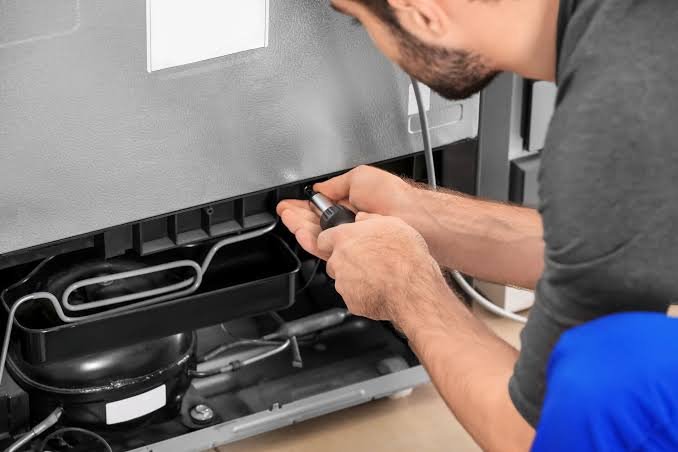
Commercial refrigeration is one of the most valuable assets in restaurants, grocery stores, convenience stores, healthcare facilities, and food service operations. When refrigeration equipment operates efficiently, businesses can preserve inventory, reduce energy costs, and maintain consistent operations. However, without proper refrigeration maintenance, even minor issues can quickly become expensive repairs or unexpected system failures.
Many business owners only think about their refrigeration systems when something stops working. Unfortunately, waiting until equipment fails often results in spoiled products, business interruptions, emergency service calls, and higher repair costs. A proactive maintenance strategy helps businesses avoid these challenges while extending equipment life and improving operational efficiency.
This guide explores why refrigeration maintenance matters, common warning signs of system problems, and practical maintenance habits that help commercial refrigeration systems perform reliably year-round.
Why Refrigeration Maintenance Should Be a Business Priority
Commercial refrigeration systems work around the clock. Unlike many other types of equipment, they rarely get a break. Compressors, evaporator coils, condensers, fans, thermostats, and refrigerant lines all work continuously to maintain safe storage temperatures.
Over time, normal wear affects every component. Dust accumulates, coils become dirty, moving parts experience friction, and refrigerant levels may change. Without regular maintenance, these small issues can gradually reduce efficiency and increase the risk of breakdowns.
Routine maintenance provides several important benefits.
- Reduces unexpected equipment failures
- Helps lower monthly energy costs
- Extends equipment lifespan
- Maintains food safety temperatures
- Improves cooling consistency
- Supports smoother day-to-day operations
- Reduces emergency repair expenses
Businesses that invest in preventive maintenance often spend significantly less on major repairs over the life of their refrigeration equipment.
How Refrigeration Maintenance Improves Energy Efficiency
Energy costs continue to be one of the largest operating expenses for commercial facilities. Refrigeration systems often account for a substantial portion of total electricity consumption.
Dirty condenser coils, clogged airflow, worn door seals, and inefficient compressors force equipment to work harder than necessary. Even small efficiency losses can noticeably increase utility bills over time.
Proper refrigeration maintenance helps restore optimal performance by ensuring critical components remain clean and operate as intended. Well-maintained systems cool faster, cycle more efficiently, and consume less energy while maintaining proper temperatures.
Improved efficiency also reduces unnecessary strain on major components, helping businesses maximize the return on their equipment investment.
Common Signs Your Refrigeration System Needs Attention
Many refrigeration problems develop gradually before becoming major failures. Recognizing these warning signs early allows businesses to schedule repairs before costly damage occurs.
Watch for symptoms such as:
- Inconsistent cabinet temperatures
- Frost buildup inside units
- Water leaking around equipment
- Higher than normal utility bills
- Unusual buzzing or grinding sounds
- Compressor running continuously
- Warm spots inside refrigerated storage
- Ice accumulating on evaporator coils
- Doors not sealing properly
- Slow recovery after doors are opened
Ignoring these warning signs can lead to more extensive mechanical failures and expensive downtime.
Essential Refrigeration Maintenance Tasks
Preventive maintenance involves more than simply checking temperatures. A complete maintenance program focuses on every major component that contributes to system performance.
Clean Condenser Coils
Condenser coils naturally collect dust, grease, and airborne debris. Dirty coils prevent heat from escaping efficiently, forcing compressors to work harder.
Routine coil cleaning helps improve cooling performance while reducing unnecessary energy consumption.
Inspect Door Gaskets
Damaged door seals allow cold air to escape and warm air to enter refrigerated spaces.
Inspect gaskets regularly for cracks, tears, or loose sections. Replacing worn seals helps maintain proper temperatures while reducing compressor workload.
Check Refrigerant Levels
Low refrigerant can reduce cooling capacity and increase compressor strain.
Only qualified technicians should inspect refrigerant levels and identify potential leaks to ensure the system operates safely and efficiently.
Monitor Temperature Performance
Temperature fluctuations often indicate developing mechanical problems.
Businesses should regularly verify that refrigeration units maintain consistent temperatures within manufacturer recommendations.
Inspect Fans and Motors
Evaporator and condenser fans play a critical role in airflow throughout the refrigeration system.
Routine inspection helps identify worn bearings, damaged fan blades, or motor issues before they cause larger equipment failures.
Examine Electrical Components
Loose electrical connections, worn wiring, or failing contactors can lead to unreliable system operation.
Professional inspections help identify electrical issues before they affect performance or create safety concerns.
Building a Preventive Refrigeration Maintenance Schedule
Every business operates differently, but establishing a routine maintenance schedule significantly improves long-term equipment reliability.
A simple maintenance plan may include:
Daily
- Monitor operating temperatures
- Check for unusual noises
- Inspect doors for proper closing
Weekly
- Clean visible debris around equipment
- Check drain lines
- Inspect door seals
Monthly
- Clean condenser coils if needed
- Review thermostat performance
- Inspect fan operation
Quarterly or Semi-Annually
- Schedule professional refrigeration inspections
- Test refrigerant pressures
- Inspect electrical systems
- Verify overall system performance
Preventive maintenance schedules should be tailored to equipment type, operating conditions, and manufacturer recommendations.
The Cost of Ignoring Refrigeration Maintenance
Delaying maintenance often appears to save money in the short term. In reality, neglected refrigeration systems frequently become far more expensive over time.
Common consequences include:
- Inventory loss from temperature failures
- Emergency repair costs
- Increased energy bills
- Shortened equipment lifespan
- Business interruptions
- Reduced customer confidence
- Higher replacement costs
For food service businesses, refrigeration failures may also create food safety concerns that impact operations and compliance requirements.
Regular maintenance helps minimize these risks while protecting both inventory and customer satisfaction.
Choosing Professional Refrigeration Maintenance Services
Although staff can perform basic inspections and cleaning, professional service technicians provide a much more comprehensive evaluation.
Experienced refrigeration specialists use specialized diagnostic equipment to identify issues that may not yet be visible. They can evaluate compressor performance, refrigerant pressures, electrical systems, airflow, and other critical components before problems become major repairs.
When selecting a maintenance provider, consider factors such as:
- Experience with commercial refrigeration systems
- Preventive maintenance programs
- Emergency repair availability
- Knowledge of multiple equipment brands
- Clear communication and documentation
- Commitment to long-term equipment reliability
Working with experienced professionals helps businesses maintain dependable refrigeration performance throughout the year.
Refrigeration Maintenance Supports Long-Term Business Success
Reliable refrigeration affects far more than equipment performance. It protects inventory, improves workplace productivity, reduces operating expenses, and helps businesses deliver consistent service to customers.
Preventive maintenance also makes budgeting easier by reducing unexpected repair costs and extending equipment life. Instead of reacting to emergencies, businesses can focus on growth while knowing their refrigeration systems receive regular professional attention.
For organizations that depend on refrigeration every day, preventive maintenance is not simply another operational expense. It is an investment in reliability, efficiency, and long-term profitability.
Protect Your Business with Preventive Maintenance
Every commercial refrigeration system experiences wear over time, but regular refrigeration maintenance dramatically reduces the likelihood of unexpected failures and expensive repairs. Businesses that prioritize preventive care benefit from improved efficiency, lower operating costs, longer equipment life, and greater peace of mind.
For companies seeking dependable refrigeration expertise, Buffos Refrigeration provides professional maintenance and repair solutions designed to keep commercial refrigeration systems operating at peak performance. Learn more about their commercial refrigeration services at buffos-refrigeration and discover how proactive maintenance can help protect your business for years to come.