A dependable residential plumbing system plays a major role in keeping a home comfortable, functional, and protected from avoidable water damage. From kitchen sinks and bathroom fixtures to water heaters and drainage lines, every component needs proper attention to work efficiently.
Small plumbing issues can be easy to dismiss. A dripping faucet, slow drain, or toilet that runs continuously may seem minor, but these warning signs can indicate developing problems that become more expensive when ignored.
TCR Plumbing understands that effective plumbing care begins with identifying concerns early and addressing them with the right approach. Homeowners can also take several practical steps to maintain their plumbing systems between professional service visits.
Common Residential Plumbing Problems to Watch
Knowing what to look for can help homeowners respond before a small issue becomes a major repair.
1. Persistent Leaks
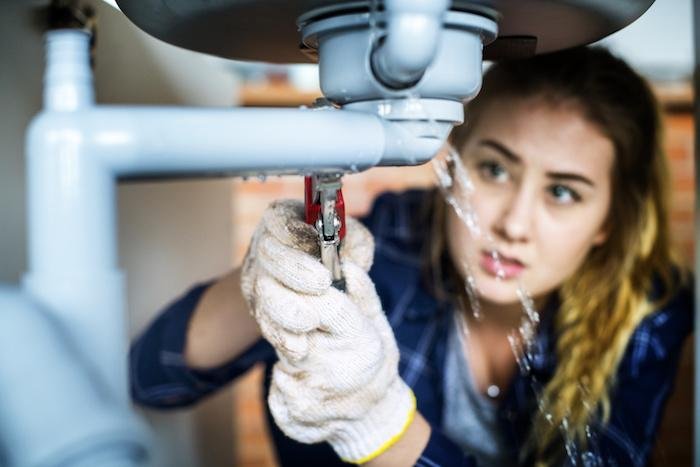
A leaking faucet or pipe can waste water and gradually cause damage to cabinets, flooring, walls, or surrounding materials. Check exposed plumbing connections regularly and pay attention to unexplained moisture beneath sinks or around fixtures.
If a leak continues after basic tightening or adjustment, professional inspection may be necessary. Hidden leaks can be particularly difficult to locate without the appropriate equipment and experience.
2. Slow-Draining Fixtures
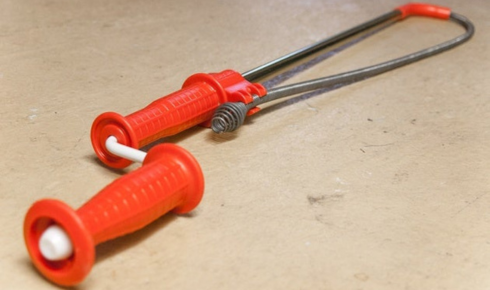
A sink or shower that drains slowly often indicates an obstruction developing inside the drain line. Hair, soap residue, food particles, grease, and other debris can accumulate over time.
Instead of repeatedly relying on harsh chemical drain cleaners, consider identifying the cause of the blockage. Professional drain cleaning can provide a more appropriate solution when basic maintenance no longer works.
3. Low Water Pressure
Low water pressure can affect showers, faucets, washing machines, and other household fixtures. The cause may range from mineral buildup and fixture restrictions to problems within the plumbing system.
Checking whether the issue affects one fixture or the entire home can provide useful information. A sudden, widespread pressure change deserves prompt attention because it may indicate a larger plumbing concern.
4. Running Toilets
A toilet that continues running after flushing can waste a significant amount of water. The problem may involve a worn flapper, faulty fill valve, incorrect water level, or another component inside the tank.
Replacing a damaged internal part can often resolve the issue, but recurring problems may require a professional assessment.
Residential Plumbing Maintenance That Makes a Difference
Preventive care does not have to be complicated. A simple maintenance routine can help homeowners identify potential problems before they interfere with daily life.
Consider these practical habits:
- Inspect visible pipes and connections for moisture or corrosion.
- Check under sinks for water stains, dampness, or unusual odors.
- Avoid placing grease, oils, or fibrous food waste down kitchen drains.
- Use drain screens to reduce the amount of debris entering bathroom drains.
- Do not flush wipes, paper products, or household items that are not designed to break down in plumbing systems.
- Monitor unusual changes in water pressure.
- Pay attention to unexpected increases in water usage.
- Know where the main water shutoff valve is located.
- Schedule professional inspections when recurring problems appear.
These simple actions can make it easier to spot changes in a plumbing system and respond before the situation becomes more disruptive.
Protecting Your Home From Water Damage
Water damage is one of the most important reasons to take plumbing maintenance seriously. A small leak behind a wall or beneath a cabinet may remain unnoticed until staining, mold growth, warped materials, or structural deterioration becomes visible.
Knowing the location of the main shutoff valve is particularly important. In the event of a burst pipe or major leak, shutting off the water supply quickly can help limit the amount of water entering the home while professional assistance is arranged.
Homeowners should also inspect areas around water heaters, washing machines, toilets, and sinks. These locations contain connections that can develop leaks as components age.
Choosing Professional Plumbing Services
Not every plumbing issue is suitable for a do-it-yourself repair. Basic maintenance can be useful, but more complex problems often require accurate diagnosis and specialized tools.
A qualified plumbing professional can assess the condition of pipes, fixtures, drains, water heaters, and other components. Proper diagnosis matters because treating only the visible symptom may leave the underlying problem unresolved.
When choosing a plumbing company, consider factors such as:
- Relevant experience: Look for professionals familiar with common household plumbing systems.
- Clear communication: A reputable provider should explain the problem and recommended work in understandable terms.
- Professional workmanship: Repairs should address the source of the issue rather than provide only a temporary fix.
- Transparent service: Understanding the proposed work before it begins helps prevent confusion.
- Customer-focused support: Reliable communication matters when plumbing problems affect everyday routines.
These factors can help homeowners make informed decisions when professional assistance is needed.
Smart Habits for Long-Term Plumbing Care
Plumbing maintenance is not only about repairing problems. It is also about understanding how everyday habits affect the system.
Kitchen plumbing, for example, benefits from keeping grease and cooking oils out of drains. Bathroom plumbing can benefit from hair-catching screens and careful disposal practices. Toilets should be used only for materials intended to be flushed.
Water heaters also deserve regular attention. Signs such as unusual noises, inconsistent hot water, visible leaks, or changes in heating performance should not be ignored. Depending on the system’s age and condition, professional servicing may help determine whether maintenance or replacement is appropriate.
Another useful habit is keeping records of significant plumbing repairs and maintenance. Knowing when fixtures, water heaters, or major components were installed can make future service decisions easier.
When to Call a Plumbing Professional
Some warning signs should receive prompt professional attention. These include a burst pipe, sewage backup, major water leak, persistent loss of water pressure, repeated drain blockages, or water appearing where it should not.
A sudden spike in water consumption can also warrant investigation, particularly when household usage has not changed. Hidden leaks may continue wasting water even when no obvious dripping is visible.
Taking action early can reduce disruption and may prevent a minor plumbing concern from developing into a larger household repair.
Building a More Reliable Home Plumbing System
A well-maintained plumbing system supports everyday activities that are easy to take for granted. Clean water, reliable drainage, functional bathrooms, and dependable hot water all contribute to a comfortable home.
The best approach combines responsible household habits with professional attention when problems appear. Regular observation, timely repairs, and appropriate maintenance can help extend the useful life of plumbing components while reducing the likelihood of unexpected failures.
TCR Plumbing provides professional plumbing support for homeowners who need dependable solutions for household plumbing concerns. For additional information about available services,
Conclusion
Reliable residential plumbing begins with awareness, prevention, and timely action. Paying attention to leaks, drainage changes, water pressure, fixtures, and other warning signs can help protect a home from unnecessary damage. When an issue goes beyond basic maintenance, TCR Plumbing can provide professional assessment and practical solutions for lasting results.