Renovating a heritage home is very different from updating a modern property. These homes carry decades, and often more than a century, of architectural history, craftsmanship, and character. While this heritage appeal adds significant value, it also introduces challenges that demand specialist renovation approaches rather than standard construction methods.
From ageing structural materials to hidden pest damage and strict preservation guidelines, heritage homes require careful planning to protect their integrity while making them functional for modern living. Understanding these differences helps homeowners avoid costly mistakes and preserve long-term value.
The Unique Challenges of Updating Older Homes
Heritage homes across Australia were built using construction methods and materials that differ significantly from modern standards: many predate current building codes, energy-efficiency requirements, and contemporary safety practices. As a result, renovation work that may seem straightforward in a new home often becomes complex in an older property.
Walls, floors, and foundations may have settled over time. Timber framing can weaken, and original finishes may hide issues that only become visible once renovation work begins. These challenges require patience, experience, and an understanding of traditional building systems.
Structural Differences in Pre-1970s Construction
Older homes typically feature solid timber framing, masonry walls, stone foundations, and handcrafted joinery. While durable, these materials naturally degrade after decades of exposure to weather, moisture, and movement.
Timber components may suffer from rot or previous pest activity. Brickwork and stone can crack or shift due to foundation movement. Electrical and plumbing systems are often outdated and must be upgraded carefully to avoid damaging original features.
Tradespeople unfamiliar with heritage construction may unintentionally cause harm or overlook early warning signs, making specialist knowledge essential.
Roof Considerations in Heritage Properties
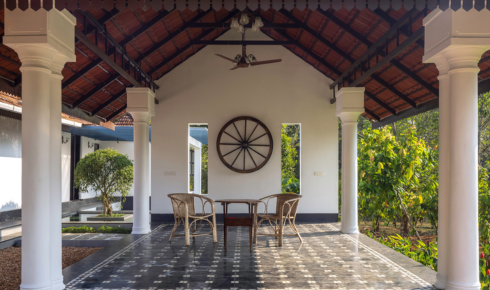
The roof plays a critical role in protecting a heritage home. Original materials such as slate, terracotta tiles, or corrugated iron often deteriorate over time, allowing moisture to enter roof cavities and structural timbers.
Heritage roofs usually feature unique profiles and detailing that cannot be replaced with modern substitutes without compromising authenticity. This is why homeowners frequently search for roofing replacement near me when dealing with heritage properties. Restoration requires specialists who understand period materials, structural integrity, and heritage compliance requirements.
Poor roof repairs not only affect appearance but can also lead to long-term moisture damage, timber decay, and internal deterioration.
Existing Pest Damage Often Hidden From View
Heritage homes are particularly vulnerable to long-term pest activity. Over the years, termites, rodents, and insects exploit cracks, roof voids, and wall cavities, causing damage that often remains hidden until renovation begins.
Before any renovation work starts, a comprehensive inspection by a professional pest exterminatoris essential. Termite damage in framing, weakened floor supports, or rodent nesting may otherwise go unnoticed until serious structural repairs are required.
Addressing pest activity early prevents expensive surprises and ensures renovation work is built on a stable foundation.
Sympathetic Material Choices Matter
Material selection plays a major role in heritage renovations. New additions should complement the original structure rather than clash with it.
When restoring facades or interior features, many homeowners choose natural stone finishes that reflect traditional craftsmanship. Options such as marble stone Sydney are often selected for their authenticity, durability, and compatibility with older architectural styles.
Using materials that align with original construction methods helps preserve visual consistency while maintaining structural performance.
Common Renovation Mistakes That Reduce Heritage Value
One of the most common mistakes in heritage renovations is applying modern solutions without considering compatibility. Well-intended upgrades can unintentionally reduce heritage value or cause long-term damage.
Common issues include:
- Replacing original materials with incompatible modern alternatives
- Removing decorative features that define the home’s character
- Installing contemporary designs that clash with period architecture
- Making structural changes without heritage approvals
Such changes may breach heritage regulations and reduce resale appeal.
Working With the Right Specialists
Successful heritage renovations depend on assembling the right team. This includes architects, builders, stonemasons, roofers, and inspectors experienced in heritage properties.
Specialist professionals understand how to repair traditional materials, replicate original detailing, and integrate modern systems discreetly. Whether restoring stonework, upgrading services, or repairing a roof, expertise ensures the home’s character and integrity are preserved.
Conclusion
Heritage homes require a renovation approach that respects history while addressing modern needs. Structural differences, roof vulnerabilities, hidden pest risks, and material compatibility all demand specialist attention.
By engaging heritage-experienced professionals, using appropriate materials such as marble stone Sydney, investing in a reliable pest control service, and choosing qualified experts for roofing restoration near me, homeowners can protect both the beauty and long-term value of their property.
Thoughtful renovation ensures heritage homes remain safe, functional, and architecturally significant for generations to come.
FAQs
Why do heritage homes need different renovation approaches?
They were built using traditional materials and methods that require specialist knowledge to preserve safely.
Can modern materials be used in heritage renovations?
Yes, but they must be compatible and approved under heritage guidelines.
Is pest inspection necessary before renovating?
Absolutely. Hidden pest damage is common in older homes and should be addressed early.
Why is roof restoration important in heritage properties?
Ageing roofs often allow moisture into structural timbers, leading to serious damage if not restored properly.
Are heritage renovations more expensive?
They can be, due to specialist labour, material sourcing, and regulatory compliance, but they protect long-term value.