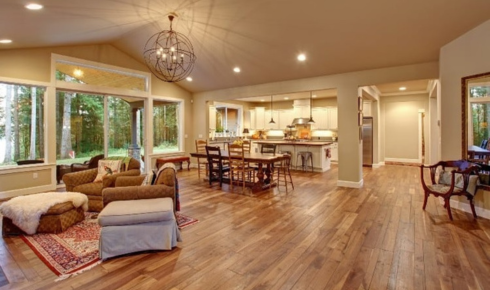
Both approaches can work. Using the same flooring throughout makes the home feel larger and more cohesive. There are fewer visual breaks, which is especially nice in smaller apartments or open-plan spaces. It’s also easier to clean when you don’t switch tools or products from room to room.
Mixing flooring lets you respond to each room’s needs: tiles in bathrooms and kitchens, something warmer like wood or vinyl in bedrooms, maybe a more durable option in high-traffic hallways. It can add character and highlight different zones.
If you do mix, try not to use too many types. Two or three materials in a home are usually enough. Pay attention to how they meet at doorways; awkward transitions can look messy.
In short, one-flooring-everywhere is the simpler, calmer choice. Combining types works well if you plan it deliberately rather than randomly grabbing whatever is on sale.